
Spain Itineraries
10 days in Spain: Barcelona, Madrid and Seville
This ten-day Spain itinerary links Barcelona, Madrid and Seville with three nights in each city. It makes room for architecture, art, neighborhood walks and slow meals without adding a new hotel every day. Two train days are part of the plan, not hidden between activities. Use the route as a starting point, then choose the visits that matter to you and your travel companions.
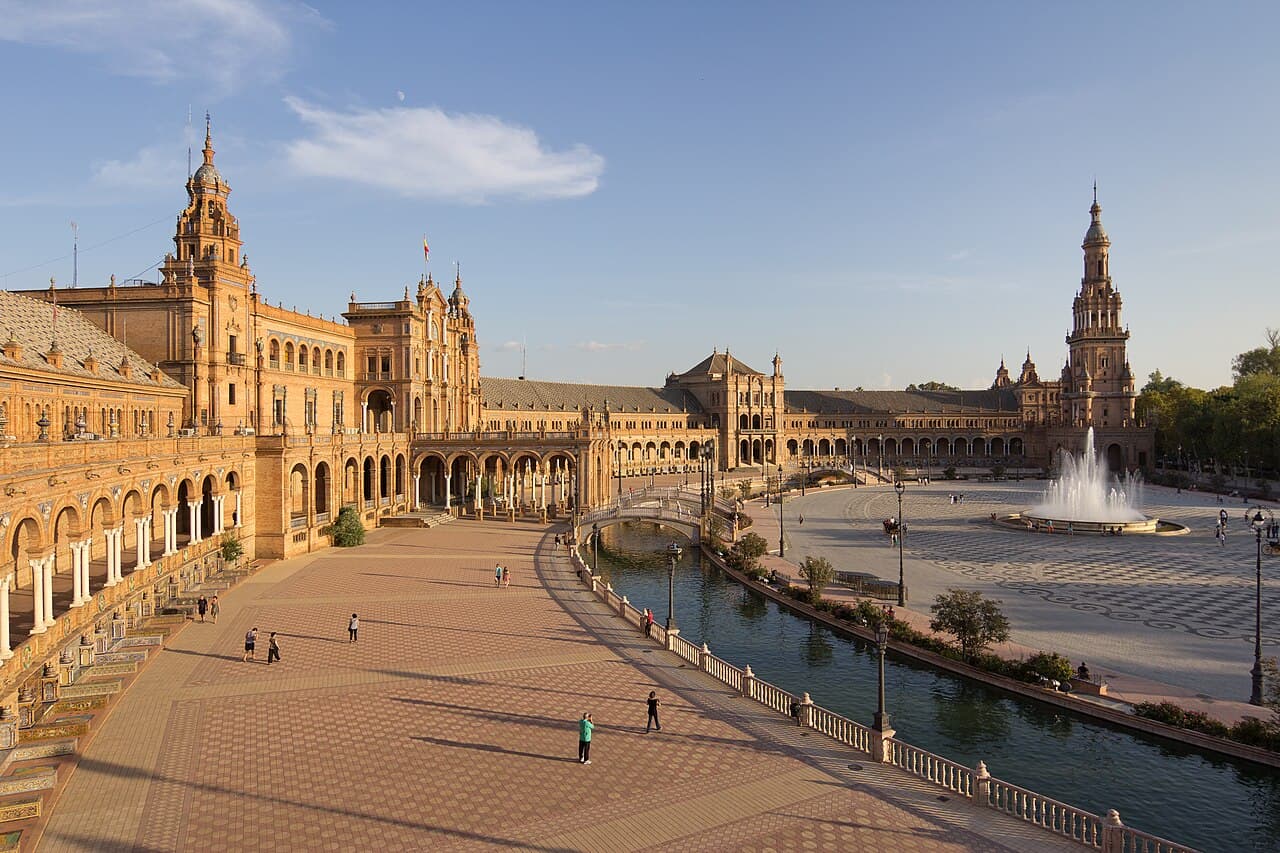
Photo: Carlos Delgado · CC BY-SA 4.0 · Cropped for layout.
- Trip length
- 10 days · 9 nights
- Overnight bases
- Barcelona · Madrid · Seville
- Getting around
- Two intercity train journeys
- Pace
- Two full days in each city
In this guide
The short version
Three cities, three nights each, one clear route
Arrive in Barcelona on day 1, travel to Madrid on day 4 and Seville on day 7, then depart on day 10. Use trains between the cities and local transport where useful. This works best with arrival in Barcelona and departure from Seville; reverse the route if your flights fit the opposite direction.
Your 10-day Spain itinerary at a glance
Swipe or scroll to see all columns.
| Day | Main plan | Sleep in |
|---|---|---|
| 1 | Arrive in Barcelona and explore near the hotel | Barcelona |
| 2 | Sagrada Família and an Eixample afternoon | Barcelona |
| 3 | Gothic Quarter, El Born and an optional waterfront walk | Barcelona |
| 4 | Train to Madrid; a short central walk | Madrid |
| 5 | Prado and time in or near El Retiro | Madrid |
| 6 | Plaza Mayor, the palace area and one neighborhood | Madrid |
| 7 | Train to Seville; settle in and explore locally | Seville |
| 8 | Real Alcázar and the Santa Cruz area | Seville |
| 9 | Plaza de España, María Luisa Park and a flexible evening | Seville |
| 10 | Check out and depart from Seville | — |
Nine nights are not nine full sightseeing days. Each city has two full days, plus whatever remains after arrival. This route leaves out Granada, the islands and northern Spain deliberately. If one of those is your main reason for visiting, replace a city block rather than squeezing it into a spare afternoon.
Book the route, then your priority sights
Spain’s tourism board describes the high-speed rail links between Madrid and both Barcelona and Seville. They make this three-city route practical without a rental car. See the official high-speed rail overview. Use an operator such as Renfe to check schedules and fares for the exact days you intend to travel.
Do not copy a headline journey time into every departure. Compare direct services, the exact stations, luggage allowances, boarding guidance and ticket flexibility. Add the trip to the station and the onward journey to your hotel before deciding whether an arrival-day activity is realistic.
Day 1: arrive in Barcelona and keep the evening local
Reach your accommodation, confirm tomorrow’s route and find a straightforward meal nearby. Keep the hotel address and arrival instructions accessible without needing a mobile connection. A late landing is a good reason to stop here, not a reason to rush through a prepaid sightseeing plan.
If you arrive early, choose a short walk in the area where you are staying. Save the famous sights for your two full days. Decide which one or two visits matter most to everyone now, so tomorrow does not become a negotiation outside a ticket office.
Day 2: Sagrada Família, then the Eixample
Use Sagrada Família as today’s anchor if you want to visit the interior. Start from the official ticket page and read the current options, access conditions and entry instructions. Do not assume every ticket includes a tower visit, guided tour or the same arrival process.
Afterward, take a meal break before exploring part of the Eixample. If architecture is your main interest, choose one additional building around Passeig de Gràcia; exterior viewing and an interior visit are different plans. Barcelona’s official tourism overview is a useful introduction to the city’s modernist architecture. See the Barcelona destination guide.
Avoid stacking a second and third timed booking behind the first. If Park Güell is a must for you, give it a separate block and replace part of day 3 after checking its own tickets and transport. It is not an effortless add-on to every other Gaudí sight.
Day 3: the Gothic Quarter and El Born
Let the older city be today’s focus. Explore a manageable section of the Gothic Quarter, then continue into El Born with a pause for lunch. The official Barcelona guide places these historic neighborhoods alongside the city’s modernist sights and Mediterranean waterfront.
Decide in the afternoon whether you want a museum, more streets and shops, or a waterfront walk. These are choices, not extra tasks. For an indoor visit, check the current calendar and book only once the rest of the day makes sense.
Finish close enough to your accommodation to pack without rushing. Check tomorrow’s train ticket and station instructions. Keep travel documents, a charging cable and anything you need during the journey in your small bag rather than at the bottom of a suitcase.
Day 4: train to Madrid and a gentle introduction
Follow the boarding guidance for your booked train and allow time to find the correct departure area. When comparing tickets, Barcelona Sants is a station name you may see; use your ticket’s actual departure and arrival stations rather than a generic city-center map pin. Check updates with your operator.
After check-in in Madrid, choose a small central area near your hotel. A walk around Puerta del Sol or the streets around your dinner stop is enough. Keep the Prado for a full day, when a delayed train cannot put its entry slot at risk.
Day 5: the Prado and an unhurried afternoon
Give the Prado a focused visit instead of trying to see its whole collection. Its official visitor page provides tickets, the current calendar, a museum map, accessible-visit information and suggested collection routes. Plan with the Prado’s own resources.
Decide on a few artists or rooms, then take a proper break before heading toward El Retiro if the park is open and conditions are comfortable. Madrid’s official destination guide covers the city’s art institutions and green spaces. Keep this day to one major museum; a second collection deserves a separate decision, not whatever energy happens to remain.
On a wet day, spend longer over lunch or swap the outdoor block for a smaller indoor visit you have checked. If you are traveling with people who do not enjoy galleries, agree on a meeting place afterward rather than requiring everyone to follow the same route.
Day 6: central Madrid, then choose your own afternoon
Build a west-central Madrid day around Plaza Mayor and the Royal Palace area. Seeing the palace from outside does not require the same plan as visiting the interior; if you choose the latter, check its official calendar, access and tickets separately.
After lunch, choose one neighborhood for a longer wander, or use the afternoon for the museum you left out yesterday. The important choice is depth versus another transfer. A day trip from Madrid replaces this city day; it does not sit comfortably on top of it.
Before dinner, confirm the exact station and departure for tomorrow. If everyone has a different must-see, record one agreed meeting point and time. The group-trip planner can help keep the shared plan and notes together without requiring every activity to be shared.
Day 7: travel to Seville and leave the afternoon flexible
Take your booked Madrid–Seville train and make the hotel transfer the first task on arrival. Check whether luggage can be left before the room is ready. Do not place the Real Alcázar reservation immediately after the train; it will be easier to enjoy tomorrow.
If you have time and energy, walk a short route around your accommodation or near the river. Keep the longest outdoor stretches for a comfortable part of the day. If the forecast is hot, shorten the walk and take an indoor break instead of treating arrival afternoon as time that must be filled.
Day 8: Real Alcázar and the Santa Cruz area
Make the Real Alcázar today’s main reservation if it is one of your priorities. Use the official visitor page for ticket links, entry instructions and access information. Read the conditions for your chosen visit, including any named-ticket or identification requirements, rather than relying on an old screenshot or a reseller’s summary.
After the palace visit, pause for food before exploring nearby Santa Cruz. The Alcázar, cathedral and Giralda form a close monumental cluster, but proximity does not make them one visit. See Spain’s official Seville overview. If the cathedral interior or Giralda is important, give it a separate, checked booking block and reduce something else.
Leave a rest break between the main visit and any evening plans. If you want to see flamenco, choose a venue and check the format, start time and booking conditions. Do not assume a show includes dinner or that everyone in the group wants a late finish.
Days 9–10: Plaza de España, then a calm departure
Day 9: pair Plaza de España with part of María Luisa Park. Both feature in the official Seville guide. Choose a comfortable time for the outdoor block, then allow a meal and a rest before deciding on the afternoon. Triana is an alternative area to explore later, not another compulsory stop.
If you deferred a cathedral visit, use that as the other main block and keep the rest short. Do not also add a distant day trip. Tomorrow is departure day, so check the airport or station route and pack tonight.
Day 10: leave for the actual departure point with the buffer your carrier recommends plus the local transfer time. Keep any last walk close and easy to abandon. If you moved the last night to Madrid or Barcelona for your return flight, today starts there instead; the table must change with your bookings.
Make the itinerary fit your interests and energy
Swipe or scroll to see all columns.
| If you want… | Change the plan | What you give up |
|---|---|---|
| A slower trip | Choose Barcelona and Madrid only, with longer stays. | Seville, in exchange for one fewer hotel change. |
| More Andalusia | Replace the Barcelona block with extra southern nights and redesign arrival. | Barcelona’s architecture and waterfront on this trip. |
| A day trip | Replace day 6 or day 9 after checking transport and reservations. | One of only two full days in that city. |
| More Barcelona | Move one Madrid night to Barcelona; travel on day 5 instead of day 4. | Madrid gets one full day instead of two. |
| Seven days, not ten | Keep two cities with arrival and departure counted. | The third city; do not compress three blocks into a race. |
Budget the route from nine room nights, two intercity tickets, local and airport transport, food, and the attractions you actually select. Check accommodation totals and any additional charges before paying. Keep a contingency for changed plans instead of presenting one daily amount as a reliable price for every season.
Pack for your actual forecast across all three cities. Prioritize comfortable walking shoes, layers you can combine, weather protection and luggage you can move through stations. If a forecast makes long outdoor afternoons uncomfortable, shorten them and check indoor alternatives before setting out.
From reading to ready
Make the Spain route work for your group
Keep the accommodation blocks, train days, activities and reservation notes you enter together in Oreviyo. Agree on the shared pieces first, then leave room for different interests and slower afternoons.
Explore the itinerary planner
Common questions
Is 10 days enough for Barcelona, Madrid and Seville?
Should I start in Barcelona or Seville?
Do I need to hire a car in Spain?
Can I include Granada and the Alhambra?
Which visits should I reserve first?
What changes if I fly home from Madrid or Barcelona?
Sources and useful links
Researched by Oreviyo using the sources below, reviewed on September 3, 2026. The routes, quantities, and packing examples are our suggestions. Confirm current conditions, access, and booking details before you go.
- Spain’s high-speed train routesSpain.info / Turespaña
- Current rail schedules and bookingsRenfe
- Barcelona destination guideSpain.info / Turespaña
- Official Sagrada Família ticket optionsBasílica de la Sagrada Família
- Madrid destination guideSpain.info / Turespaña
- Prado visitor information and collection routesMuseo Nacional del Prado
- Seville destination guideSpain.info / Turespaña
- Prepare your Real Alcázar visitReal Alcázar de Sevilla



_-_01.jpg)

